Germany
Federal Republic of Germany
At a glance
Germany visa & entry requirements
Whether you need a visa for Germany depends on your nationality. Here’s the entry picture at a glance, with official links and a way to check the exact rule for your passport.
Short-stay tourist entry to Germany, across 198 nationalities in our dataset. Your own requirement depends on your passport — check it below.
Visa cost indicative
Indicative figures compiled from third-party sources — not official, and not a fee charged by packset.travel. Always confirm the current fee on the official government site before you apply.
Good to know
- Germany is part of the Schengen area. EU nationals and nationals of visa-exempt countries may enter for short stays of up to 90 days within any 180-day period without a visa.
- Other (third-country) nationals generally need a Schengen (category C) visa for short visits; whether you need one depends on your nationality.
- The standard processing fee for a Schengen visa is normally EUR 90, with reductions or waivers for certain groups (e.g. children, students and researchers).
- Applications are submitted to a German mission abroad (embassy or consulate general); the competent mission is determined by your place of ordinary residence.
- Visa-exempt non-EU visitors will additionally need an EU ETIAS travel authorisation once the EES/ETIAS system enters into operation (expected from late 2026).
Germany has been a Schengen member since 1995: no passport checks at internal borders, one 90/180-day allowance for visitors.
Been to Germany already?
Scratch it off and the sheet keeps the receipt — what your passport needed to get in.
Scratch Germany in →Do you need a visa for Germany?
Pick your passport and get the exact entry rule for Germany — visa-free, visa on arrival, e-Visa or apply in advance.
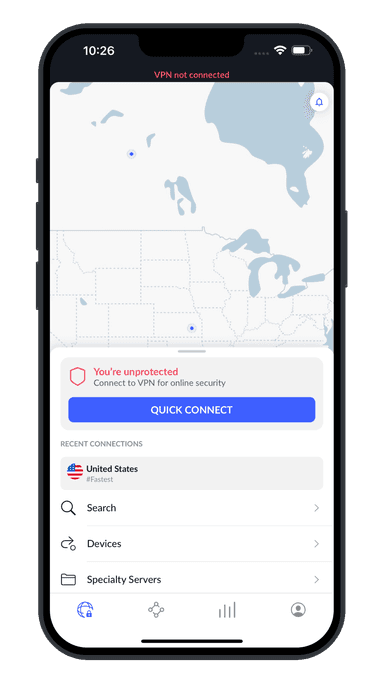
Staying online in Germany
- Use home banking & apps that block foreign IP addresses
- Reach sites & services that may be blocked locally
- Encrypt hotel, café & airport WiFi
Big savingon 2-yr plans · price at checkout
Affiliate link · Packset may earn a commission
Frequently asked questions
It depends on your nationality. Citizens of 93 countries can currently enter Germany visa-free for short tourist stays, while others need a visa on arrival, an e-Visa or a visa arranged in advance. Use the visa checker to see the rule for your passport.
Fees vary by visa type and nationality. When we have indicative figures for Germany they’re shown above, but they’re compiled from third-party sources — always confirm the current fee on the official government site before you apply.
Start on Germany’s official government entry or e-Visa page (linked above when available). Check which visa type fits your trip, prepare a passport valid for your whole stay and any required documents, and apply well before you travel.
How to get to Germany
Every way into Germany by air — each city's main airport plus the budget-carrier, secondary and cross-border options, with how long the transfer takes.
Munich (MUC)
Munich's own airport and the one almost every long-haul route uses. S-Bahn S1/S8 run into the city centre in about 45 minutes, every 10 minutes, all day — during Oktoberfest they run through the night too.
Memmingen (Allgäu Airport)
Budget carriersYou don't have to fly into pricey Munich — budget carriers (Ryanair, Wizz Air) land at Memmingen, about a 75-minute drive or a direct flixbus/shuttle from the Bavarian capital.
Nuremberg (NUE)
Heading to northern Bavaria or on a budget for Munich? Nuremberg is a fast, frequent ICE train hop (about an hour) and often has cheaper fares into the region.
Salzburg (SZG)
Budget carriersCross the border for a cheaper fare: Salzburg airport (Austria) is about 1h30 from Munich on a direct, roughly hourly Railjet/EC train — handy for the seasonal and ski-charter flights that skip pricey MUC.
Innsbruck (INN)
Budget carriersAnother cross-border option: Innsbruck (Austria) — a favourite for easyJet and winter ski charters — connects to Munich by direct EC train in about 2 hours through the Alps, or roughly 1h45 by car.
Power & plugs
Germany runs on 230V with plug types C, F. Most chargers work with a simple plug adapter.
Good news — these socket types are mutually compatible, so a single Type C adapter covers all of Germany.
Full power guide for GermanyLocation
Light & dark
Berlin swings from 8-hour winter days to 17 hours of summer light. Today the sun sets at 19:14.
Build a packing plan tailored to Germany, its weather and your trip.